Septic Tank Pumping for Vandergrift Homeowners
Request an estimate from a local provider
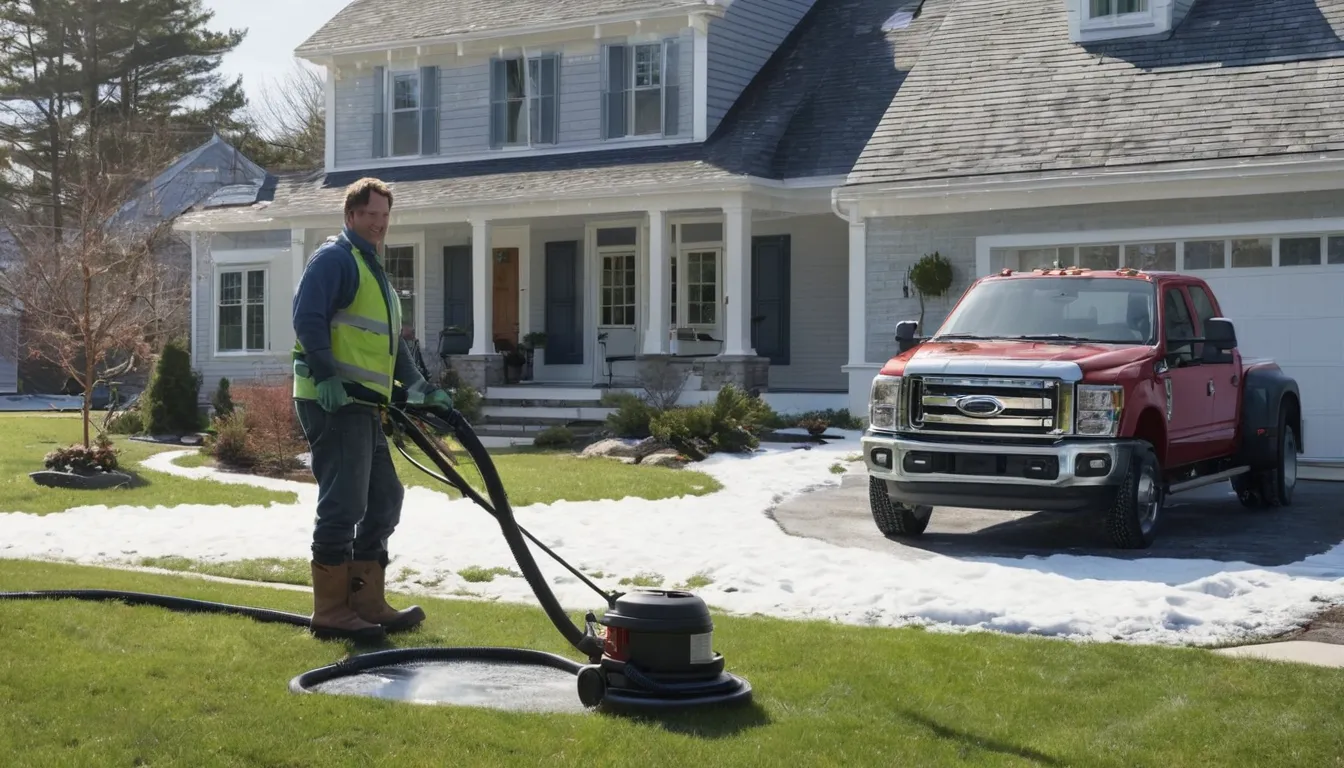
A lot of people think a septic tank only needs attention once it backs up. In practice, the smart time to schedule a pump-out is before trouble starts. Solids settle into sludge, grease floats into scum, and both slowly fill the tank until waste can slip toward your drainfield. That can mean slow drains, gurgling pipes, and costly repairs.
Hadcompletion Septic is a referral service. We do not pump tanks ourselves. We connect homeowners in Vandergrift and the Vandergrift area with independent providers in our network who bring the truck, hoses, and know-how. Request an estimate, compare each one in writing, and choose the provider that fits your home and budget. There is no obligation to hire anyone, so you can take your time and ask questions first.
Tank Full or Overdue? Start Here
Myth: a septic tank will always warn you before it fails. Fact: many tanks give only small hints, and then a backup shows up all at once.
Watch for these signs:
- Drains that gurgle or run slowly in more than one spot
- Sewage smells indoors or near the tank lid
- Soggy, extra-green grass over the tank or drainfield
- Toilets that back up when you run the washer
If sewage is coming up inside the house, stop using water. Then Request a callback to check provider availability, or send a request through the form.
Emergency Septic Cleaning vs. Routine Pumping
The truck and the process are much the same. What differs is the timing. Emergency septic cleaning happens after a backup, often with extra cleanup needs. Routine pumping is planned, calmer, and usually easier on your wallet. Many providers can respond quickly when a tank is overflowing, but availability varies.
Myth: Pumping Is a Weekend DIY Job
Some homeowners think a bucket and a long hose will do it. It will not. Tank gases can be harmful, lids can be heavy or buried, and waste must be hauled and disposed of under local rules. A pro-grade job needs a vacuum truck and a trained operator.
What you can safely do yourself:
- Find and mark the tank location
- Clear snow, brush, or parked cars from the area
- Gather past pumping and repair records
- Keep pets and kids indoors during the visit
Leave the lid, the tank opening, and the hauling to the provider.
How Often Should You Pump?
Myth: every system needs pumping every year. Fact: most households land somewhere around every three to five years. The real answer depends on tank size, how many people live in the home, and how much water you use.
A large family with a small tank may need pumping more often. A couple with a big tank may stretch it. A garbage disposal adds solids and shortens the gap. Ask a provider to measure sludge and scum levels rather than guessing.
What Happens During a Pumping Visit
A typical visit is simple and fairly quick.
1. The provider locates and uncovers the tank access points. 2. The hose pulls out liquid, scum, and sludge. 3. The tank is checked for cracks, worn baffles, and water levels. 4. The lids are secured, and the provider explains what they saw.
Some providers will also look at the outlet filter, if your tank has one. Ask for notes in writing.
Myth: Additives Replace Pumping
Shelf products promise to digest sludge so you can skip service. In practice, they do not remove the solids that build up over the years. Pumping is the only reliable way to take them out. Most local health departments do not recommend relying on additives.
Cold Weather, Snowmelt, and Older Homes
Cold, snowy winters bring their own twists. Frozen ground and deep snow can hide lids and slow digging. Spring snowmelt can saturate the soil, which stresses a tank that is already near full. Older homes with stone or block foundations often have older tanks, and some may lack easy-access risers.
If you are near spring, booking before the thaw can avoid the rush.
Pumping and Inspections
Pumping and inspecting are not always the same thing. A pumping visit usually includes a quick look. A full inspection goes deeper: it may check the distribution box, the drainfield, and flow from the house. If the inspection finds soggy soil or failing parts, a provider can talk through drainfield repair options. Ask what is included before you book.
Buying or Selling a Home With a Septic System
Lenders and local codes often ask for a pumping and inspection record during a sale. Buyers want to see when the tank was last serviced. Sellers who pump ahead of time often have fewer surprises. If the home also has a private well, ask a provider about water well service, since many sales check both.
Caring for Your System Between Pumpings
A few habits go a long way:
- Spread laundry loads across the week
- Fix leaking toilets and dripping faucets
- Keep grease, wipes, and coffee grounds out of drains
- Do not drive or park over the tank or drainfield
- Plant only grass over the field, not trees
Questions to Ask the Provider
Before you agree to a job, ask:
- What is the tank size, and how is the price set?
- Is there a fee for extra gallons or digging?
- Will you inspect baffles and filters?
- Do I get a written quote and a service record?
- How far ahead are you booking?
A clear quote in writing keeps everyone on the same page.
What's Included
Tank Pumping
A vacuum truck removes liquid, sludge, and scum so your tank has room to work again.
Baffle Check
The provider looks at inlet and outlet baffles for cracks or wear while the tank is open.
Written Service Notes
Ask for a record of tank condition, gallons removed, and any concerns you should follow up on.
Emergency Cleaning
If a tank has overflowed or backed up, many providers can respond quickly, depending on availability.
What Pumping Typically Costs
Prices vary by region, tank size, and access. These are typical U.S. ranges, not offers. Always ask for a quote in writing so you know what the visit includes before work starts.
| Item | Typical range | Notes |
|---|---|---|
| Routine pumping, 1,000 gallon tank | $250 – $450 | Common for smaller homes |
| Routine pumping, 1,500 gallon tank | $350 – $600 | Larger tanks take more time |
| Emergency or after-hours visit | $500 – $1,000 | Depends on provider and timing |
| Digging to find a buried lid | $75 – $250 | Deep snow or frozen soil can add time |
| Riser and lid installation | $300 – $900 | Makes future pumping easier |
| Tank inspection add-on | $100 – $350 | Depth of the check varies |
How It Works
Send a Request
Tell us your location, tank details if known, and what you are seeing, using the estimate form.
Get Matched Locally
We pass your request to independent providers who serve your area.
Compare the Quote
Review the written price, what is included, and how soon the provider can come.
Schedule the Pumping
Choose a provider, set a time, and prepare the area so the truck can reach the tank.
Why Call Hadcompletion Septic
Plain Answers
Our pages sort myth from fact, so you can decide with clear information instead of sales pressure.
Independent Providers
Local businesses in our network do the work, using their own trucks and training.
Quote in Writing
We encourage you to get the scope and price on paper before any work begins.
No Obligation
Requesting an estimate does not commit you to hiring anyone, so compare calmly.
Other Services
Need septic tank pumping in Vandergrift?
Tell us about your septic or sewer problem and request an estimate. A local provider from our network will follow up with questions and a written quote.
No obligationSeptic Tank Pumping FAQ
How often should a septic tank be pumped?
Most homes need pumping about every three to five years. Tank size, household size, and water use change the timing, so ask a provider to measure sludge and scum levels.
How much does septic tank pumping cost?
Typical U.S. prices run from about $250 to $600 for routine pumping, depending on tank size and access. Extra digging, long hose runs, or emergency visits can raise the total, so get a quote in writing.
Can I pump my own septic tank?
No. Tank gases are dangerous, and waste has to be hauled and disposed of properly. You can help by marking the tank and clearing access.
Request a callback
Tell us about your septic or sewer problem and request an estimate. A local provider from our network will follow up with questions and a written quote.
No obligation